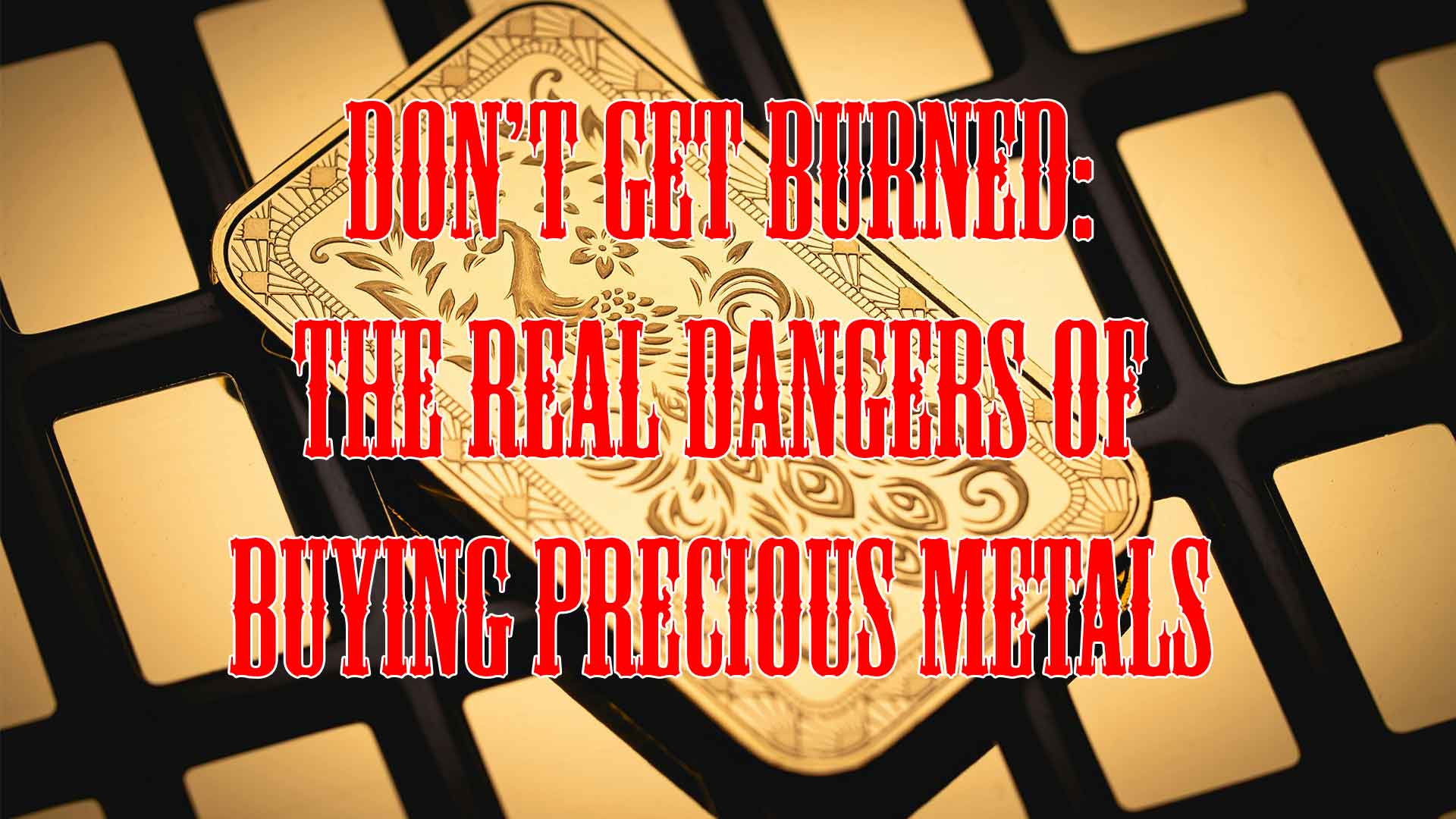
In an era where precious metals are becoming an increasingly popular hedge against inflation and fiat currency instability, it’s no surprise that buyers are turning to gold and silver to secure their wealth. But as demand increases, so does the risk—especially when purchasing from unverified or private sellers.
A recent case out of Joshua Tree, California, serves as a sobering reminder of what can go wrong. A local man was arrested for allegedly selling counterfeit gold bars through the online platform OfferUp. After a buyer paid cash for what appeared to be real bullion, an appraisal revealed the bars were fake. Law enforcement later raided the suspect’s home and recovered nearly $8,000 in cash, believed to be connected to the fraudulent sales.
Unfortunately, stories like this are becoming more common.
At Royal Leo Holdings, we’re committed not just to investing in real value—but also in educating our community on how to protect their investments. Whether you’re a seasoned collector or a first-time buyer, here’s what you need to know about the dangers of unverified precious metal purchases—and how to do it the right way.
Why You Should Avoid Buying from Unverified Sources
The appeal of online marketplaces like OfferUp, Craigslist, or even Facebook Marketplace is understandable—lower prices, local sellers, and seemingly good deals. But what you save in dollars, you may lose in value.
Here’s why:
- No guarantees: Unlike certified dealers, private sellers rarely provide guarantees or return policies. Once the money changes hands, you’re on your own.
- Counterfeits are getting better: Today’s counterfeiters are sophisticated. Many fake gold bars are plated in real gold or have fake assay cards that mimic well-known brands.
- Limited recourse: Even if you report the fraud, recovering your money is difficult and often impossible.
As seen in the recent High Desert incident, fake gold bars can look convincing enough to fool an untrained eye. But once tested, they’re exposed for what they really are—worthless hunks of metal.
How to Buy Precious Metals Safely
1. Buy from Reputable Dealers
This is the gold standard—pun intended. Established precious metal dealers:
- Offer authentication guarantees.
- Source directly from mints or trusted wholesalers.
- Often provide assay certificates and serial numbers.
- Have a physical storefront or long-standing online presence with verified reviews.
At Royal Leo Holdings, we vet our sources carefully to ensure every item we acquire is genuine. Whether you’re investing in bullion or collectible coins, always choose a dealer that is licensed, insured, and reputable.
2. Verify Before You Buy—Especially in Private Transactions
If you do choose to buy from a private party, take these steps to protect yourself:
A. Ask for a Professional Metal Test
Bring the item to a local coin shop or pawn shop before completing the transaction. Many offer walk-in testing for a small fee—or even for free. They can:
- Test the metal content using an XRF analyzer.
- Check the weight and dimensions against known standards.
- Verify assay cards and stamps for authenticity.
B. Inspect Packaging and Assay Cards
Most real bullion products from recognized mints (like the Royal Canadian Mint, Perth Mint, or Valcambi) come sealed in tamper-evident packaging with:
- Matching serial numbers.
- Mint logos.
- Holographic features.
- Quality seals.
If the packaging looks sloppy, mismatched, or easy to open and re-seal—it’s a red flag.
C. Weigh and Measure the Item
Gold and silver bars and coins have known standard weights and dimensions. For example:
- A 1-ounce gold coin should weigh exactly 31.1 grams.
- A gold bar’s thickness, width, and height should match the mint’s published specifications.
Use a precision scale and a digital caliper. If the item is off by even a gram or two, it could be fake—or filled with base metals like tungsten.
D. Check Mint Marks and Maker’s Marks
Every legitimate mint leaves clear identifying marks on their products. Check for:
- Correct spellings.
- Clean engraving.
- Accurate dates and designs.
Compare the item against known photos from the official mint’s website. Many counterfeiters make simple errors that can be caught by careful visual inspection.
Bonus Tips: Avoiding Scams Online
- Never pay in cash unless the transaction is verified and local.
- Use escrow services or meet at a coin shop that can mediate the deal.
- Avoid wire transfers or crypto payments unless you’re dealing with a licensed business.
- Beware of deals that are “too good to be true.” Premiums on metals exist for a reason. If someone is offering bullion well below spot price—run.
The Bottom Line: Trust is the Real Currency
Precious metals are a powerful tool for preserving wealth, but only when they’re the real thing. The recent case in Joshua Tree reminds us that bad actors exist—and they’re counting on uninformed buyers to line their pockets.
At Royal Leo Holdings, we encourage all our clients and readers to invest with discernment. We’re here to help guide you in your journey toward precious metal ownership with education, resources, and trusted service.
When in doubt, ask questions, do your homework—and never trade security for a discount.
Invest smart. Invest safe. Invest in what’s real.
Disclaimer: Royal Leo Holdings is not a financial advisor. This article does not constitute financial advice and reflects only the opinions of the members of Royal Leo Holdings. Before making any investment decisions, individuals should consult a qualified financial advisor to determine what strategy is best suited to their financial goals and risk tolerance.